VIVAERO

Legendary US Air Force A-10 Thunderbolt II with the famous uranium-fired cannon becomes a key piece in the war in the Middle East
The US Air Force's A-10 Thunderbolt IIs have taken on a decisive role in a new phase of Operation Epic Fury, significantly expanding their use in the conflict. According to US military officials, the aircraft are now concentrated on the southern flank of the theater of operations, directly hunting and destroying Iranian fast boats in the Strait of Hormuz, one of the most strategic regions on the planet for global oil transport.
This change in profile occurs amidst escalating tensions in the region, with the strait facing severe restrictions on maritime traffic. Responsible for about one-fifth of all oil traded in the world, the maritime corridor has become the target of aggressive actions involving speedboats, naval mines, and drones, increasing the risk for commercial ships and military forces operating in the area.
Recent images released by the United States Central Command reveal A-10s configured with a highly versatile weapons package, including AGM-65 Maverick missiles, APKWS guided rockets, LITENING targeting pods, external fuel tanks, and AIM-9 Sidewinder air-to-air missiles. This combination allows the aircraft to perform precision strikes against small targets, both at sea and in the air, including low-cost attack drones that have been widely used in recent conflicts.
Traditionally employed in close air support missions, the A-10s have been adapted to face increasingly present asymmetric threats on the modern battlefield. The growing use of unmanned aerial vehicles, such as Shahed drones, has led to an expansion of the role of Sidewinder missiles, which have ceased to be just a self-defense resource and have also begun to be used in offensive interceptions.
Even without its own radar, the A-10 maintains high effectiveness thanks to integration with data networks and advanced sensors. The incorporation of the Link 16 system allows pilots to receive real-time information from other platforms, ensuring enhanced situational awareness and greater precision in engaging targets, especially in a complex environment like the Persian Gulf.
Previously operating from Jordan on missions in Iraq, the aircraft now demonstrate a clear adaptation to the maritime environment. In recent years, the A-10s have participated in several surface warfare exercises, including joint operations with US Navy destroyers in the Gulf of Oman and the Persian Gulf.
These training exercises have gained relevance in light of the growing threat posed by swarm tactics, in which multiple fast vessels and drones may attempt to overwhelm the defenses of warships and tankers.
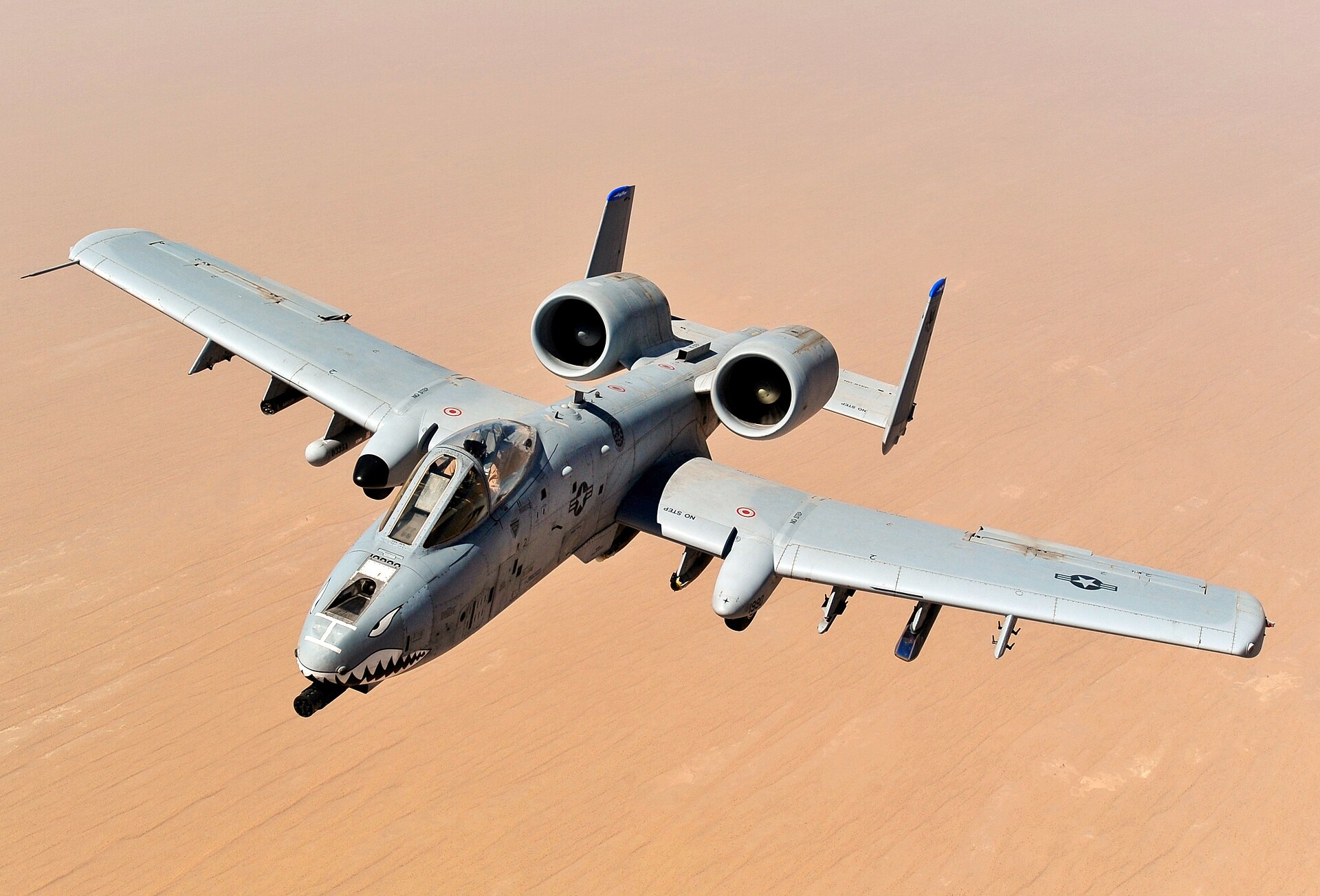
The current operation reinforces the usefulness of the A-10 in this type of scenario. Its ability to fly at low altitudes, operate at reduced speeds, remain over the combat area for extended periods, and employ high-precision weaponry makes the aircraft especially effective against small, fast, and dispersed targets, typical characteristics of Iranian naval forces.
The intensive use of these aircraft occurs in parallel with a broader United States campaign against Iranian assets in the region, including the neutralization of several vessels and infrastructure used to threaten international shipping. The impact of these actions is already being felt in the global market, with increased volatility in oil prices and changes in the maritime routes adopted by shipping companies.
Despite previous plans for its retirement, the A-10 continues to demonstrate operational relevance in contemporary scenarios. The US Air Force intended to retire the fleet by the end of this decade, but recent Congressional decisions have slowed this process, keeping a significant portion of the aircraft in service.
Even in the face of budgetary limitations and the absence of specific funding for its maintenance in the most recent budget, the A-10 remains a valuable platform in high-intensity conflicts and irregular threats.
Upgrades such as the integration of advanced communication systems ensure its interoperability in modern combat environments, solidifying the "Warthog" as one of the most resilient and adaptable aircraft still in operation.
by Vivaero


Comments
Post a Comment